
What Barrington IL Homeowners Should Know About Roof Replacement in 2026
If you're planning a roof replacement in Barrington, IL, or the surrounding Hills IL area in 2026, this guide covers the key decisions, local climate risks, and contractor vetting steps every homeowner needs to know before signing a contract.
Why the Barrington Hills Climate Is Hard on Roofs
Northern Illinois weather is tough on roofing materials. From -20°F in winter to 95°F+ in summer, the area's extreme temperature range causes constant expansion and contraction, accelerating cracking, curling, and flashing separation. Hilltop homes face added wind-driven rain exposure, particularly on west-facing slopes where prevailing storm tracks hammer shingles hardest.
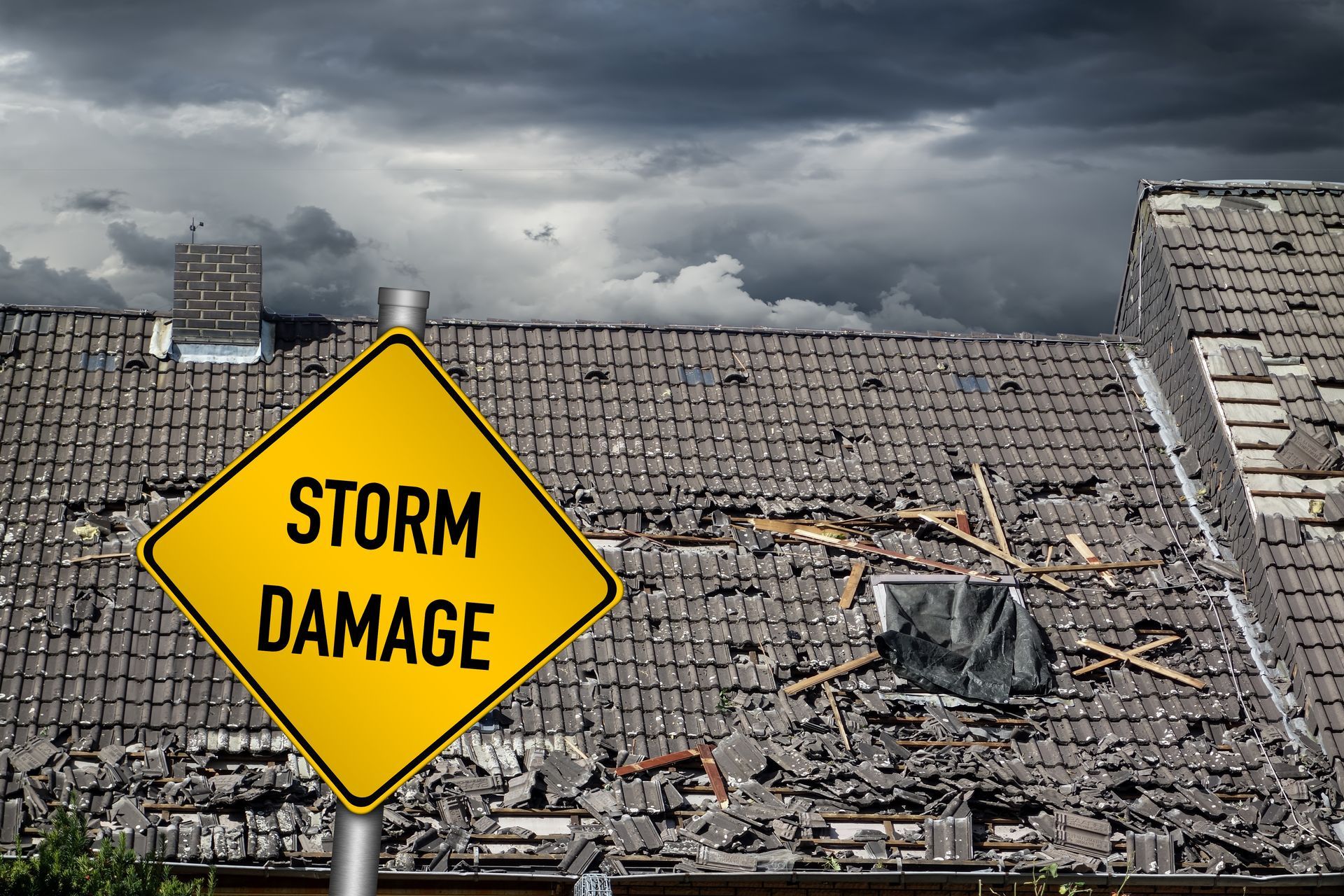
The northwest suburbs also sit in one of Illinois' most active hail corridors, and the Barrington Hills area regularly faces severe hailstorms, heavy snow loads, and freeze-thaw cycles that shorten the lifespan of an aging roof. Mature trees add another layer of risk, dropping leaves, branches, and seeds that accumulate in valleys and gutters and trap moisture against shingles. Roofing Barrington properties correctly means accounting for these compounding stressors before choosing a material or contractor.
Which Roofing Materials Work Best in Northern Illinois?
Architectural (Dimensional) Asphalt Shingles
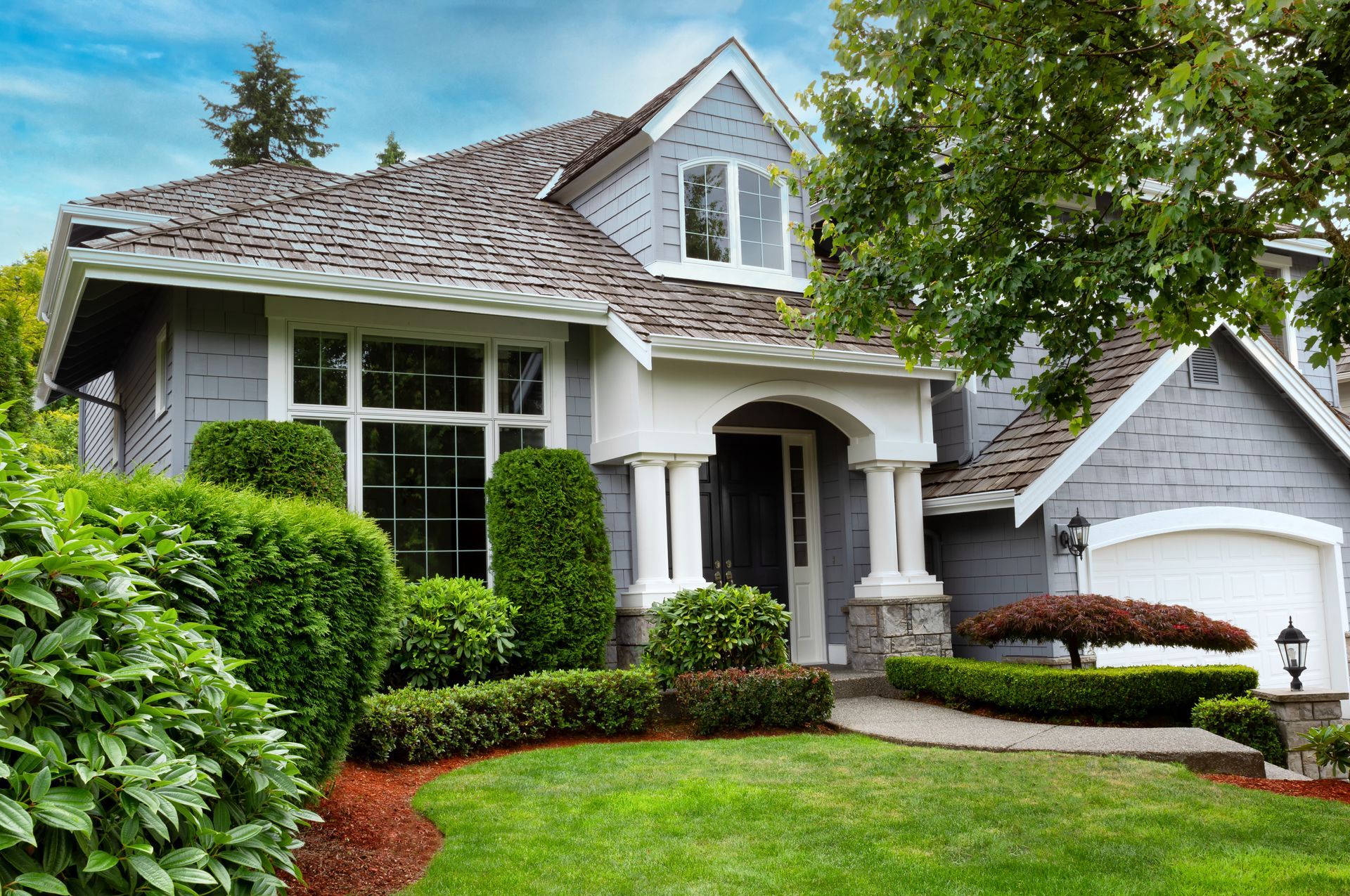
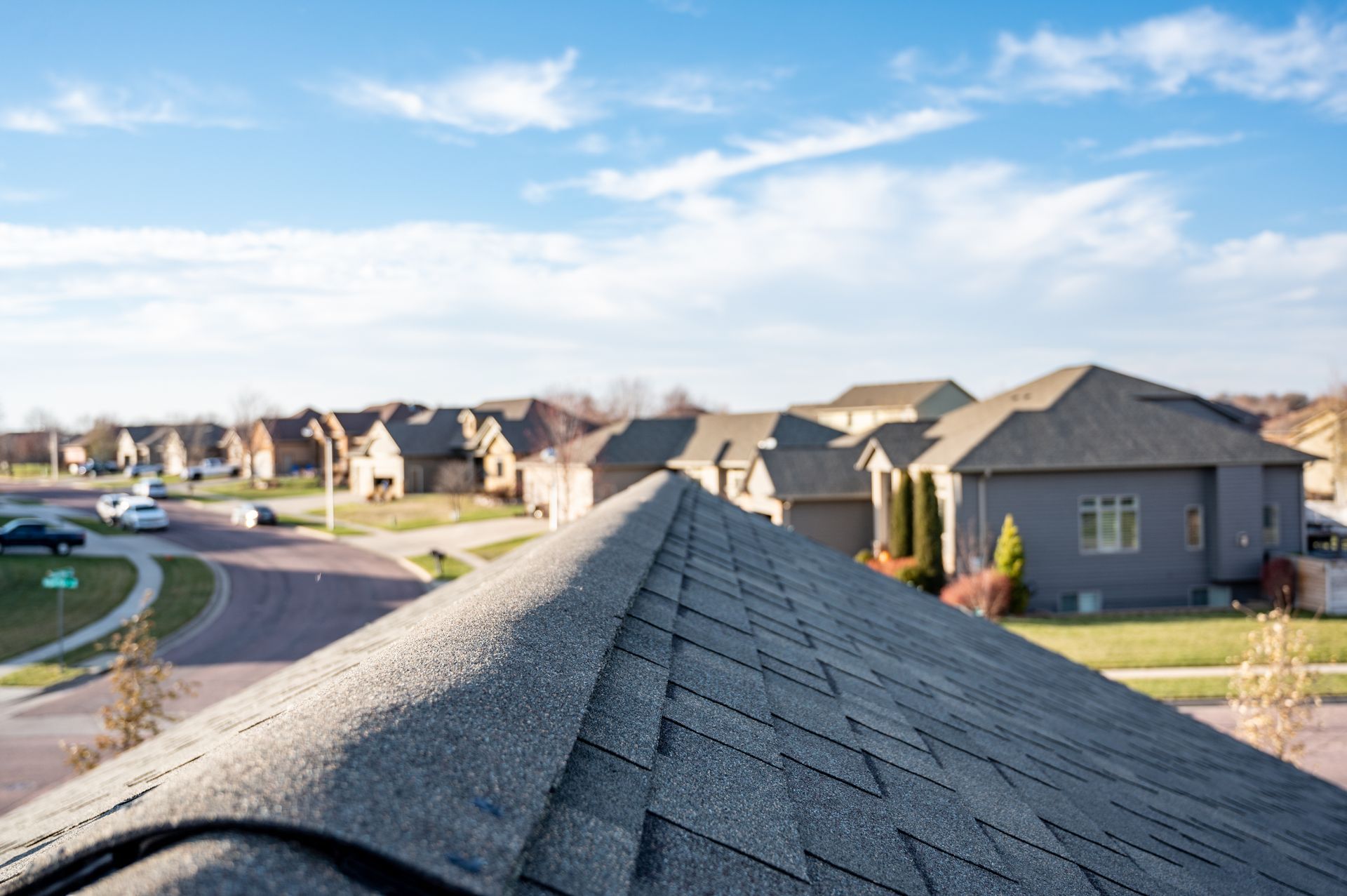
Architectural shingles are the most common choice for northern Illinois homes. Their thicker, multi-layer profile resists wind uplift and impact better than basic 3-tab shingles. Requesting shingles rated for higher wind speeds is worth considering when replacing a roof in this area.
Metal Roofing
Metal roofing has grown in popularity across the Barrington Hills area. It handles freeze-thaw cycles well, carries a longer service life than asphalt, and offers improved resilience against fire-related threats such as wind-blown embers. A fire-rated metal assembly can contribute meaningfully to the overall safety profile of your home.
Cedar Shake
Cedar shake suits the larger wooded lots common across Hills IL properties, but it requires more maintenance than asphalt or metal. Where Flint Creek moisture, Baker's Lake humidity, and heavy tree canopy converge, any organic roofing material needs regular inspection to prevent premature rot. Roofing Barrington wooded properties with cedar shake requires a maintenance commitment that not every homeowner anticipates.
How Long Does a Roof Replacement Take?
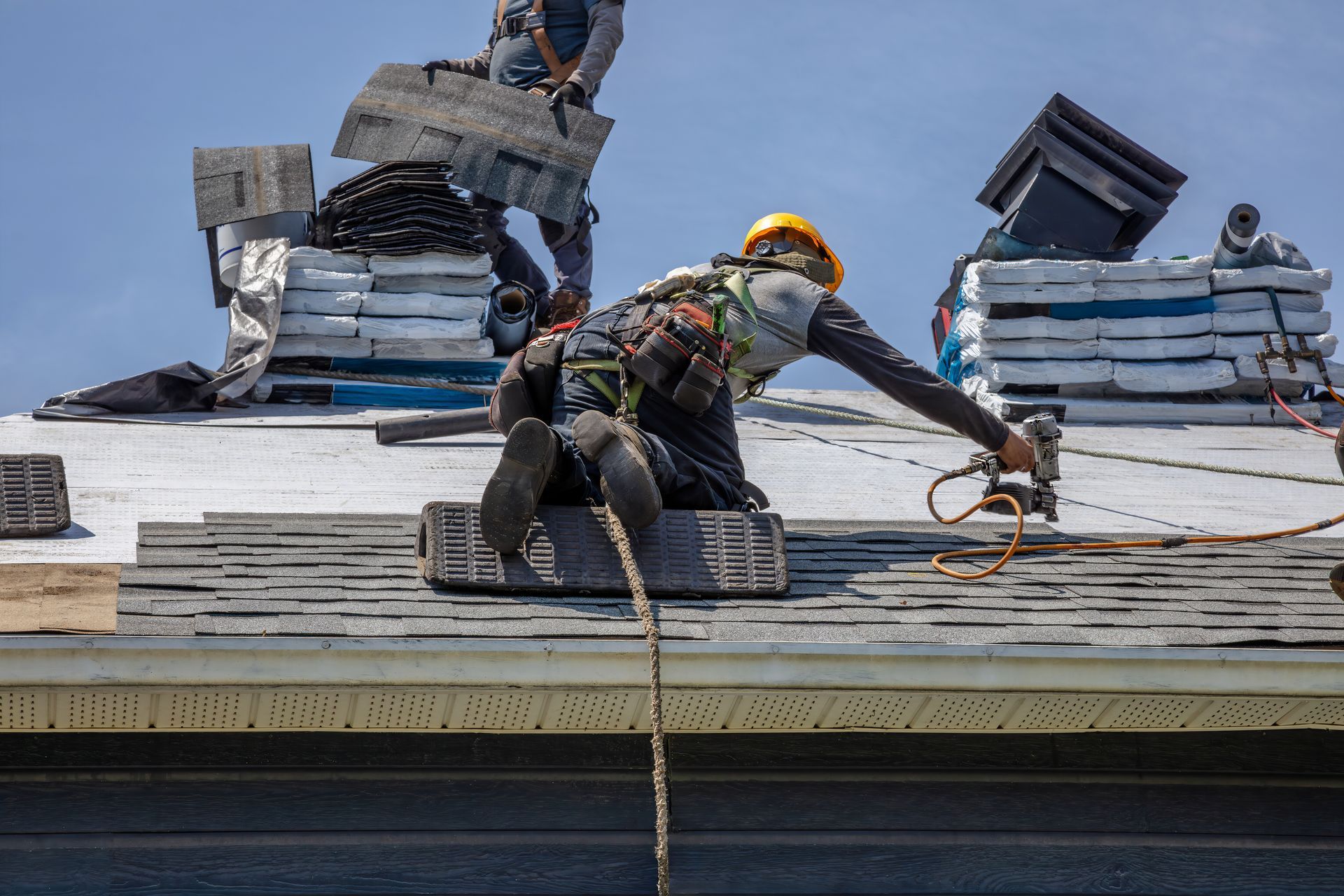
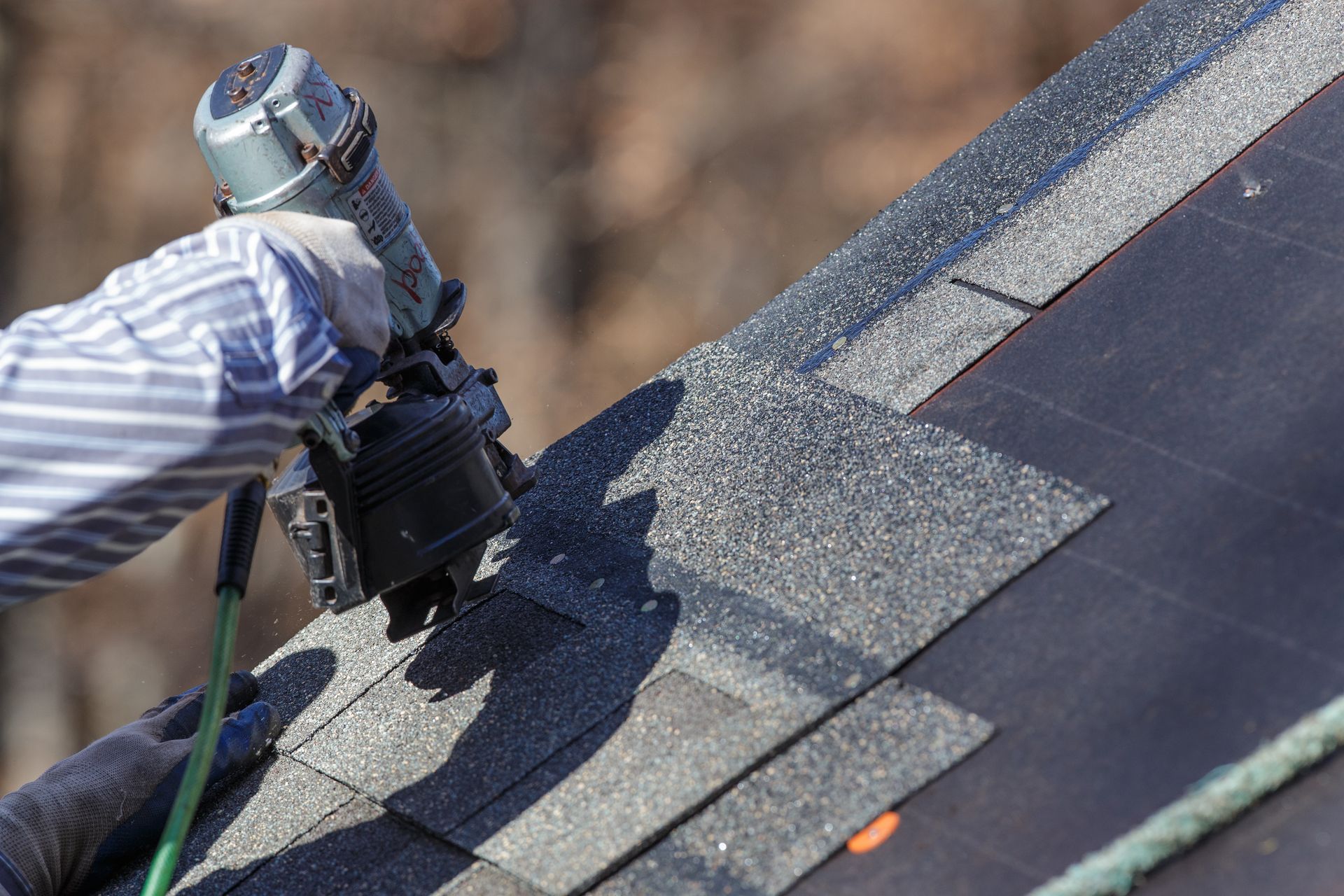
Most residential replacements in the Barrington area take one to three days, depending on roof size, pitch, material, and crew size. Spring and early summer dates book quickly across Lake and McHenry counties, so reaching out for an estimate in late winter can help you secure a preferred timeline.
What Does Homeowners Insurance Typically Cover?
Most homeowners insurance policies cover storm-related damage, including hail, wind, and falling debris. Wear and tear from age alone is generally not covered.
After a storm, document everything before repairs begin. Photograph damaged shingles, compromised flashing, and any interior water staining. Illinois law gives homeowners specific rights when dealing with storm damage contractors, including the right to cancel a contract within a certain period. Read all paperwork carefully before signing.
One important consumer protection: never let a contractor pressure you into signing an Assignment of Benefits (AOB) form. This transfers your right to deal directly with your insurer and can limit your control over the claim and repair scope.
How to Vet a Licensed Roofing Contractor in Illinois
Illinois requires roofing contractors to hold a license issued by the Illinois Department of Financial and Professional Regulation (IDFPR) under the Illinois Roofing Industry Licensing Act. Before hiring anyone for roofing Barrington Hills, IL work, ask for their IDFPR license number and verify it at idfpr.illinois.gov. The lookup shows license type, status, expiration date, and any disciplinary actions. Also confirm the contractor carries general liability insurance and workers' compensation coverage.
Be cautious after storm events. Storm chasers and unlicensed out-of-state contractors specifically target Illinois homeowners after hail and wind damage. Any contractor you consider for roofing Barrington properties should be verifiable through a quick IDFPR check, which takes only minutes.
What Questions Should I Ask a Roofing Contractor Before Hiring?
Before signing any contract, ask:
- Are you licensed with IDFPR, and can I see your license number?
- Do you carry general liability and workers' compensation insurance?
- Will you pull all required local permits for this project?
- What manufacturer warranty comes with the shingles, and what labor warranty do you offer?
- Who will be on-site during installation?
Permit requirements protect property owners from liability and insurance complications, and verifying them is one more way to confirm you are working with a legitimate professional.
Ready to Replace Your Barrington Area Roof? Start Here.
A roof replacement is one of the largest investments you will make in your home. Getting it right in northern Illinois means matching the material to the climate, securing proper permits, and working with a licensed and insured contractor. Roofing in the Barrington Hills, IL area rewards homeowners who plan ahead and choose quality over the lowest bid.
Jerry Newman Roofing & Remodeling Inc. has been serving the Barrington area and surrounding communities across northern Illinois for over 40 years. The team is fully licensed, bonded, and insured, and offers free estimates with no obligation. Learn more about available roofing services or visit the Barrington service page for local details. Call (815) 568-9671 to request your free estimate today.