
What Roofing Materials Are Best for Estate Homes in Barrington Hills, IL?
Choosing the right roofing material for a large estate home in Barrington Hills, IL, is one of the most consequential decisions a homeowner can make. The village is known for its rolling countryside, equestrian estates, and expansive wooded lots that put premium roof systems to the test every season. Illinois weather, HOA expectations, and the scale of estate rooflines all factor into the right choice. This guide compares three top-tier materials, cedar shake, natural slate, and composite shake, so you can make an informed decision regarding roofing in Barrington Hills, IL.
Why Material Choice Matters More in Barrington Hills
Barrington Hills is unlike most Chicago suburbs. The community features five-acre minimum lot sizes, wooded settings, and large custom homes where the roof is a defining architectural feature. Complex rooflines and multiple structures demand materials suited to the task. Standard asphalt simply will not match the curb appeal or durability expectations of an estate-class home.
Illinois weather adds urgency. The state ranks among the most storm-prone in the country, with severe thunderstorms, hail, and freeze-thaw cycles that stress roofs year after year. Mature trees common on Barrington Hills lots can shade sections of a roof for long periods, increasing moisture retention and accelerating material decay. The right material must handle all of this while meeting the aesthetic and community standards expected in the village.
Cedar Shake, Natural Slate, or Composite Shake: Which Is Right for Your Estate?
Each material can be appropriate depending on your priorities.
Here is how they compare:
Cedar Shake
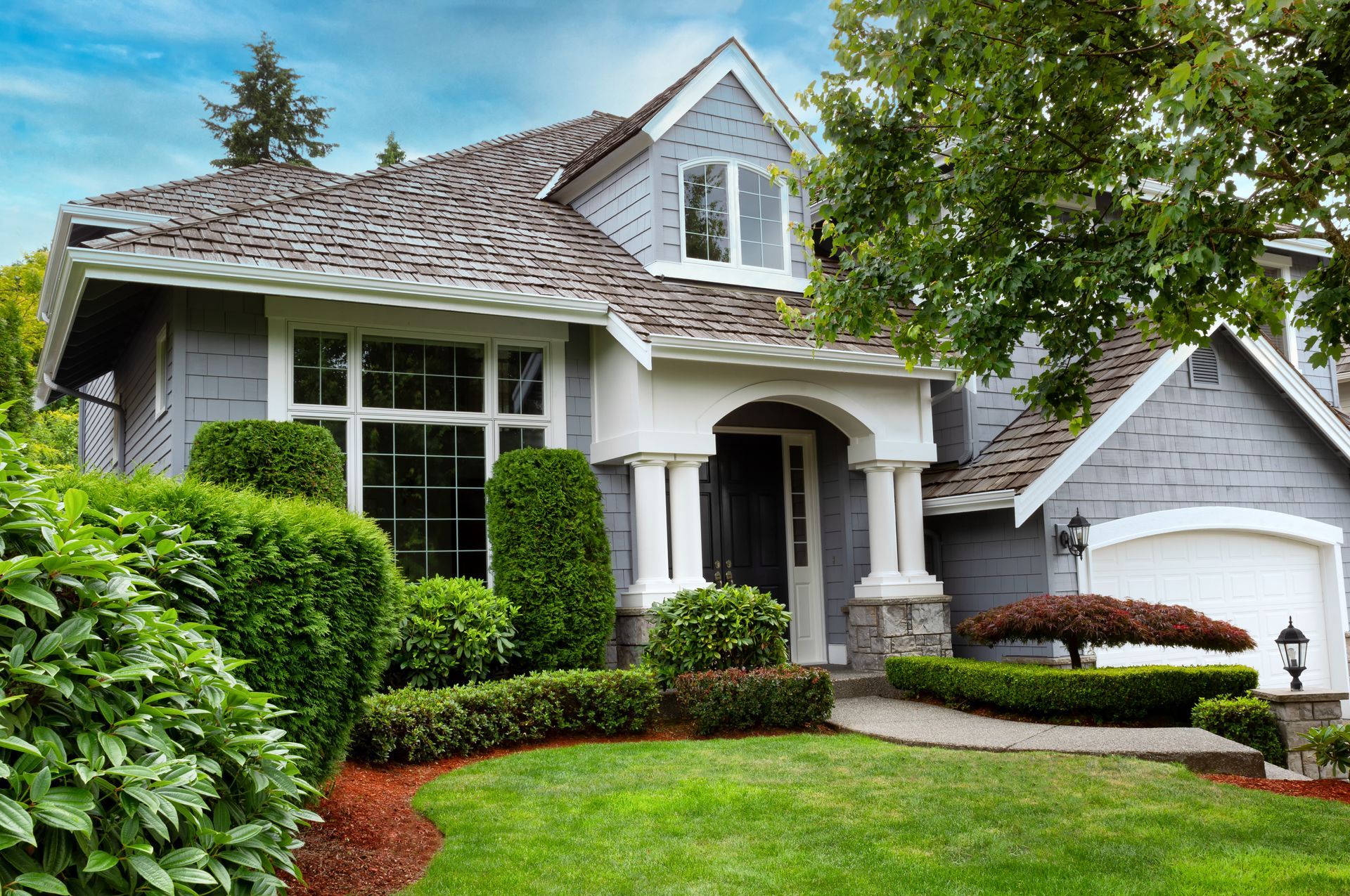
Cedar shake has long been the signature look for Barrington Hills estates. It delivers a natural, timeless appearance that complements wooded lots and traditional architecture, along with natural insulation benefits for large homes.
The challenge in Illinois is maintenance. Moisture from snow and freeze-thaw cycles can accelerate rot and moss growth, and a shaded roof may stay damp longer than ideal. Cedar roofs in Illinois typically last 25 to 30 years with proper care, but deferred maintenance can shorten that lifespan significantly. Periodic cleaning, moss treatment, and flashing inspections are essential. For homeowners who want the cedar look with less upkeep, composite shake is worth a close look.
Natural Slate
Natural slate is the longest-lived residential roof material in common use, potentially lasting 60 to 150 years or more. It offers timeless elegance and holds its appearance for decades with minimal maintenance beyond periodic inspection and prompt repair of cracked or slipped tiles.
The primary considerations are weight and structural requirements. Natural slate is extremely heavy, and many estates may require a structural assessment before installation. Installation also requires specialized skills. If your estate can support it and the budget allows, natural slate is a compelling long-term investment. Engaging a roofer familiar with local structural norms is essential when planning this option.
Composite Shake
Composite shake products such as DaVinci Roofscapes replicate the look of natural cedar or slate in a polymer composite that resists moisture, hail, and freeze-thaw cycles. These materials typically carry a Class 4 impact rating, the highest available, making them well suited to the hail events common across northwest Chicagoland.
Many homeowners find that composite products satisfy architectural review requirements while eliminating the annual maintenance cycle associated with natural cedar. Because synthetic shake is significantly lighter than natural slate, it is compatible with most existing roof structures without reinforcement. For estate properties that need performance and low long-term overhead, composite shake has become a go-to recommendation for roofing.
Material Comparison at a Glance
Cedar Shake
- Lifespan (IL): 25 to 30 years
- Maintenance: High
- Hail resistance: Moderate
- Weight: Light to moderate
- Structural needs: Usually standard
- HOA/ARB appeal: High
Natural Slate
- Lifespan (IL): 60 to 150+ years
- Maintenance: Low
- Hail resistance: Moderate
- Weight: Very heavy
- Structural needs: Often requires reinforcement
- HOA/ARB appeal: High
Composite Shake
- Lifespan (IL): 40 to 50 years
- Maintenance: Very low
- Hail resistance: Class 4 (highest)
- Weight: Lightweight
- Structural needs: Usually standard
- HOA/ARB appeal: High
HOA and Architectural Review Considerations
Barrington Hills communities with active homeowners associations often set exterior standards where premium materials are the expectation. Both natural slate and quality composite products commonly satisfy architectural review requirements, though it is always wise to confirm with your association before finalizing a selection.
Does Storm and Hail History Affect My Material Decision?
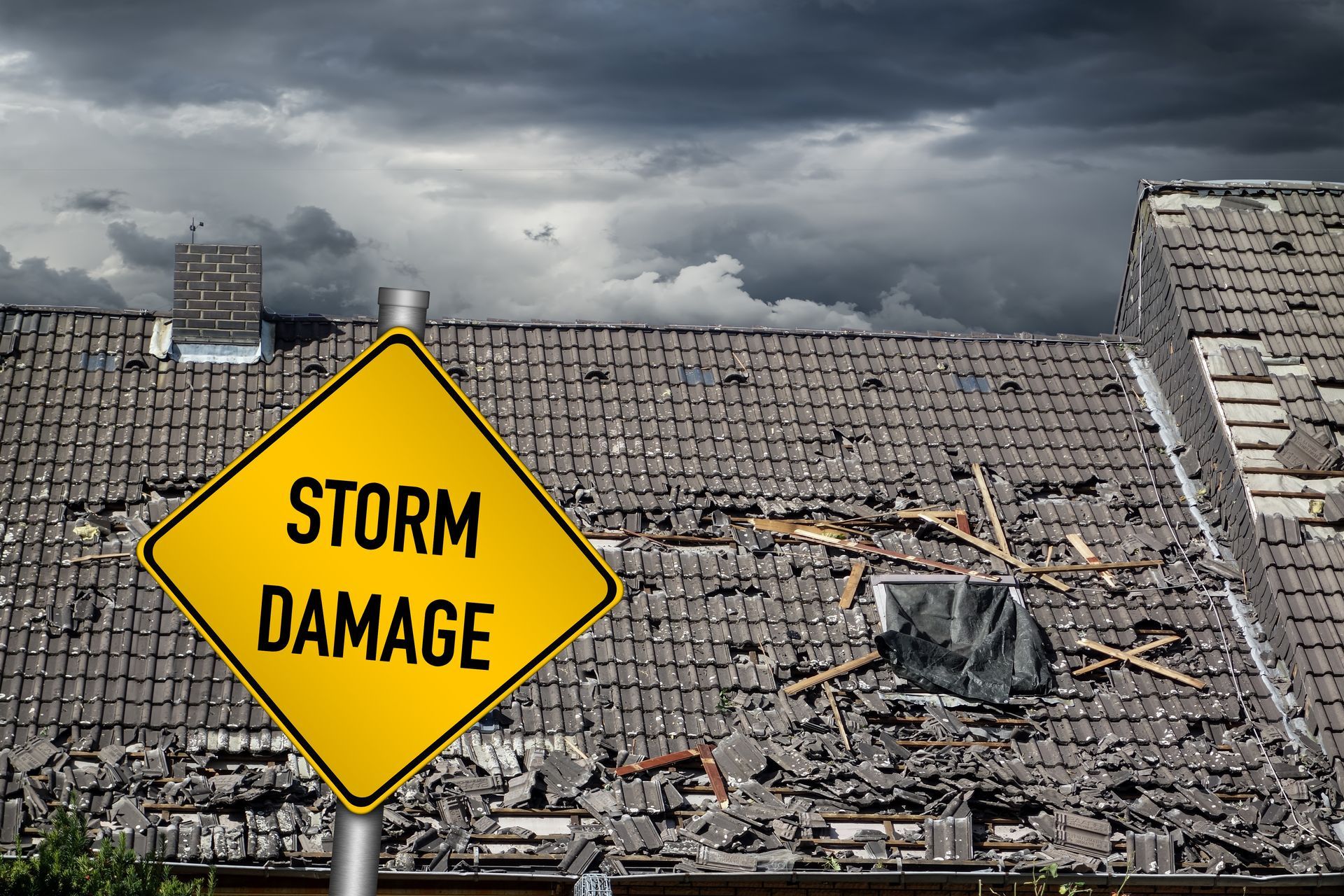
Yes. Illinois has seen a significant increase in severe storm events in recent decades, and the northwest Chicago suburbs are regularly exposed to damaging hail and high winds. A Class 4 impact-rated material may also help reduce insurance premiums in some cases, making it worth discussing with your carrier when evaluating options for a Barrington Hills, IL, estate.
Ready to Explore Your Roofing Options in Barrington Hills, IL?
Making the right material decision for a Barrington Hills estate takes experience with premium materials and a clear understanding of what Illinois weather demands year after year. Jerry Newman Roofing & Remodeling, serving Barrington Hills, IL, and the surrounding Northern Illinois area, specializes in cedar shake and first-quality shingle roofs. Call us today to request a free estimate. Learn more about available roofing services to see how the team can support your estate roofing project. For reviews and more information, visit Jerry Newman Roofing & Remodeling on Google Maps.
![Roofer installing asphalt shingles with pneumatic nail gun during roof replacement.]](https://irp.cdn-website.com/6efddebe/dms3rep/multi/opt/AdobeStock_101677483-1920w.jpeg)